
Regions of Chile
The Altiplano and the Atacama Desert.
Explore unique landscapes where the vastness of the Altiplano meets the magic of the world’s driest desert. Discover impressive salt flats, steaming geysers like those at El Tatio, and crystal-clear Altiplano lagoons surrounded by majestic volcanoes. Immerse yourself in the mystical Valle de la Luna, gaze upon the clearest starry sky on the planet, and connect with the rich cultural heritage of the region’s indigenous peoples. An unforgettable experience blending nature, adventure, and tradition.

the Little North.
Northern Chile is a region full of contrasts and natural beauty. Explore the charming Elqui Valley, famous for its vineyards and the production of the renowned Chilean pisco. During the desert bloom season, the region transforms into a unique spectacle of colors. Its clear skies are perfect for stargazing, home to some of the world’s most prestigious observatories. What’s more, its landscapes blend mountains, valleys, and a rugged coastline, inviting you to seek adventure and relaxation in a magical setting.

Central Zone.
Central Chile is the heart of the country, known for its Mediterranean climate, fertile valleys, and rich culture. This region is home to the capital, Santiago, a modern metropolis surrounded by the Andes and famous vineyards. It is also home to iconic coastal cities such as Valparaíso, a UNESCO World Heritage Site, and Viña del Mar, renowned for its beaches and elegant atmosphere. The Central Zone is the perfect place to explore the history, cuisine, and diverse landscapes that define Chile.

Lake District.
The Lake District, located in southern Chile, is renowned for its spectacular landscapes of volcanoes, lush forests, and crystal-clear lakes. Its capital, Puerto Montt, is the gateway to the Chiloé Archipelago, famous for its wooden churches and unique culture. Puerto Varas, with its German-influenced architecture, lies on the shores of Lake Llanquihue, dominated by the Osorno volcano. The region is ideal for outdoor activities such as hiking, kayaking, and fishing, offering a complete immersion in Chile’s magnificent natural surroundings.

Chilean Patagonia.
Chilean Patagonia, located in the far south of the country, is a natural paradise with spectacular landscapes. With its glaciers, mountains, and vast pampas, it is home to the famous Torres del Paine National Park, known for its iconic peaks and exceptional biodiversity. Punta Arenas, the main city, is the starting point for exploring Chilean Antarctica and the fjords. The region is ideal for hiking, boating, and wildlife viewing—including condors, guanacos, and pumas. This remote area offers unique adventures and a complete immersion in the wilderness.

the Carretera Austral.
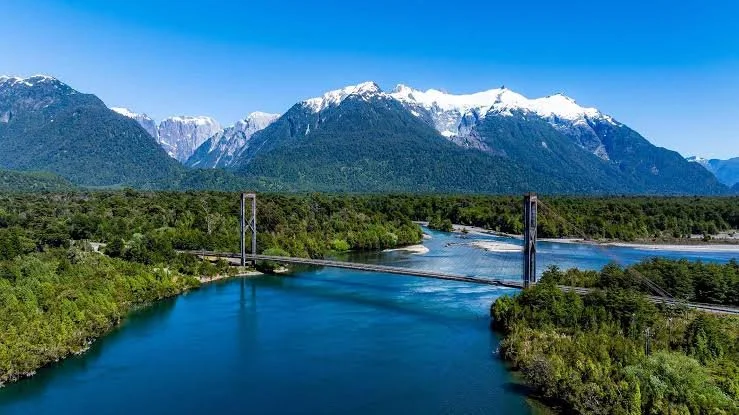
The Carretera Austral, or Route 7, is a scenic highway stretching over 1,200 km that crosses Chilean Patagonia. It connects Puerto Montt to Villa O'Higgins, passing through breathtaking landscapes of fjords, forests, rivers, and glaciers. It provides access to natural wonders such as Queulat National Park and its hanging glacier, or the Marble Chapels on Lake General Carrera. This route is a paradise for adventurers, ideal for exploring by car, bike, or on foot to discover Chile’s remote communities and untamed wilderness.
Easter Island.
Easter Island, or Rapa Nui, is a remote paradise located in the Pacific Ocean, world-famous for its moai—enigmatic stone statues that represent the history and culture of its ancient Polynesian inhabitants. Its capital, Hanga Roa, serves as the starting point for exploring archaeological sites such as Rano Raraku, the moai quarry, and Ahu Tongariki, the largest ceremonial altar. In addition to its cultural heritage, the island offers volcanic landscapes, beaches like Anakena, and activities such as diving and hiking, making it a unique destination for immersing oneself in nature and ancient history.
